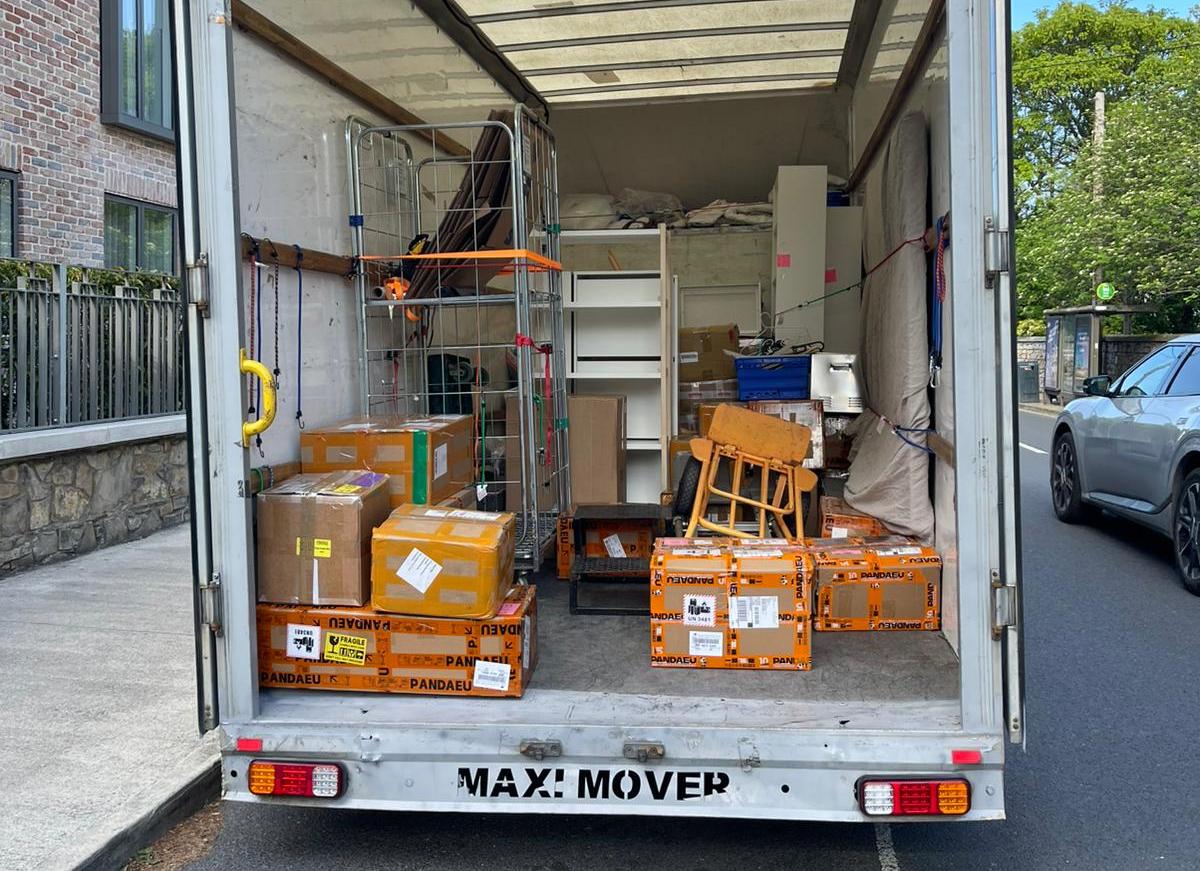
A refrigerator cannot simply be unplugged and carried out the door. A washing machine has connections that need attention, a dishwasher may require careful disconnection, and even a small countertop appliance can become awkward when its cords and accessories are scattered among dozens of moving boxes.
Preparing appliances before a household relocation protects your belongings and makes loading more efficient. In Las Vegas, where summer temperatures can be extreme, preparation also matters when appliances and their contents may be exposed to heat during the transition.
Make an Appliance List First
Walk through the kitchen, laundry area, garage, and other rooms where powered equipment is located. Identify everything that will be transported.
Your list might include:
- Refrigerator and freezer
- Washing machine and dryer
- Dishwasher
- Microwave
- Oven or range
- Television equipment
- Standalone freezers
- Small kitchen appliances
- Garage appliances or powered equipment
Nevada Movers can take care of the heavy transportation involved in a residential relocation, but knowing exactly which appliances are coming along helps you prepare each one appropriately.
Check Manufacturer Instructions
Different appliances have different transportation requirements. If you still have the owner’s manual, check its recommendations before disconnecting or moving the equipment.
This is particularly important for appliances containing water, refrigerant, glass components, or moving parts.
Empty and Clean Before Disconnecting
An appliance should generally travel empty. Remove food, dishes, laundry, water, removable trays, and other contents before the moving process begins.
For refrigerators and freezers, plan ahead. Perishable food should be consumed, donated when appropriate, or otherwise dealt with before moving day. Allow enough time for defrosting where necessary and dry the interior thoroughly.
Cleaning now is also useful because it prevents dirt and residue from being trapped inside while the appliance is transported.
Give Water-Connected Appliances Extra Attention
Washing machines, dishwashers, refrigerators with water dispensers, and similar equipment require more preparation than a standard plug-in appliance.
Water supplies should be disconnected appropriately, and hoses should be drained. Keep hoses, connectors, and other small components together in a clearly marked bag.
Do not assume that a hose can simply be left attached because the appliance is not being used. Loose connections can create problems during handling.
Stabilize Moving Components
Some appliances contain drums, shelves, trays, doors, or other parts that can move during transportation.
Secure removable shelves separately and protect doors or other components according to the manufacturer’s instructions. Washing machines may require specific procedures for stabilizing the drum before transportation.
If you are uncertain about a particular appliance, professional guidance is preferable to improvisation.
Protect Cords and Accessories
A missing power cable can make an otherwise successful move frustrating.
Coil cords neatly and secure them without putting excessive pressure on the cable. Place remotes, adapters, hoses, brackets, and other accessories in labeled bags.
Keep these smaller pieces with the appliance they belong to whenever practical.
For homeowners planning professional residential moving in Las Vegas, preparation information and service details can be found at https://nevadamoverslv.com/services/residential-moving/.
Think About the Las Vegas Heat
Weather can influence how appliances should be handled during a move. High temperatures are common in Southern Nevada, especially during summer.
Avoid leaving appliances or their components sitting unnecessarily in direct sunlight. Temperature-sensitive items should receive appropriate attention, and refrigerators or freezers should be allowed to settle according to manufacturer recommendations before being returned to operation.
Prepare the New Location
Before the appliances arrive, check that the new home has the necessary connections and adequate space.
Measure doorways and appliance openings. Confirm that water connections, electrical outlets, and ventilation requirements are suitable for the equipment being installed.
There is little value in moving a large refrigerator across the city only to discover that its intended location cannot accommodate it.
Let the Moving Crew Know What Requires Special Care
Do not wait until an appliance is being lifted to mention that it is unusually heavy, delicate, or difficult to access.
Point out oversized units and explain any known handling requirements. Nevada Movers can then incorporate those details into the physical moving plan instead of discovering them during the busiest part of the day.
Keep a Simple Installation Checklist
Once the appliances reach the new home, avoid rushing to reconnect everything immediately. Position each item first, check for visible damage, and reconnect utilities or power according to the manufacturer’s instructions.
For water-connected appliances, inspect connections carefully before use.
A little preparation turns appliances from last-minute obstacles into planned parts of the relocation. With household equipment emptied, cleaned, disconnected, protected, and clearly organized, Nevada Movers can handle the transportation while you focus on getting the new Las Vegas home ready for everyday life.