Vanessa Sansone remembers a time when she would leave her home in San Antonio by 6 a.m. every Saturday to teach an in-person class at Southwest Texas College, a community college in Uvalde.
Read more Lone Star Tapas Showdown in San Antonio to feature 8 chefs competing for global recognition
The then faculty member at the University of Texas at San Antonio, wasn’t alone, she said, as this was part of the university’s built-in efforts to provide access to college courses to all students in the South Texas region.
“We [UT San Antonio] have a history of serving, and serving well, rural communities in South Texas,” Sansone said. “The university has played a role in making sure that we are serving all Texans.”
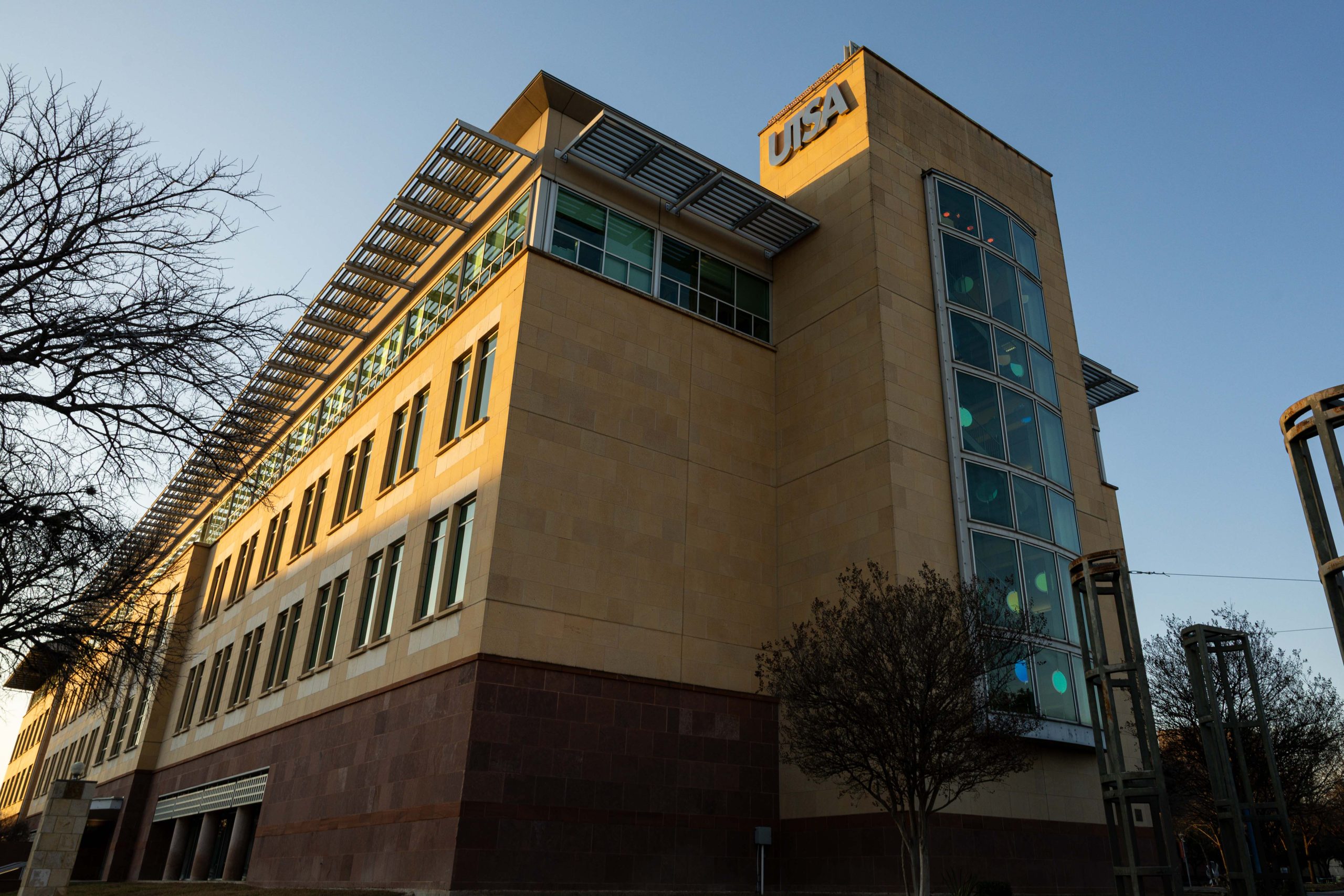
Sansone is now the assistant department chair for the Educational Leadership and Policy Studies. She and her team at UT San Antonio set out to create The State of Rural Education Summit, which took place on June 18, to bring together stakeholders serving rural communities.
College attendance among residents of rural communities has long dwindled in comparison to their peers living in urban areas. According to a 2020 data analysis by the National Center for Education Statistics, 31% of adults age 25 and over living in rural areas reported a high school degree as their highest level of education attained, while 37% of adults living in cities and suburban areas reported having a bachelor’s degree or higher.
This summit became a space to explore the contemporary challenges and opportunities in rural South Texas and how to better recommit to serving its residents. In attendance were college and university professors, college leaders, as well as K-12 rural educators, superintendents and school district leadership.
“If you’ve seen one rural place in America, then you’ve seen one rural place in America,” Sansone said. “It’s really context-based… we need to understand what it is you are facing in your rural community.”
Robert Ayala, vice president for student success at Texas A&M Kingsville, attended the event and was one of their speakers. Ayala grew up in Uvalde, Texas, where he eventually taught college courses, after starting his career as an educator in Del Rio, Texas.
As a first generation college student, who worked across the South Texas region for many years, he said there’s skills that rural residents build that might not be recognized in traditional higher education models.
“I love to share the story of rural students and communities because there’s tremendous power,” Ayala said. “The relational trust that they develop as they grow into adulthood, it really is a superpower and something that we don’t necessarily talk about a whole lot in higher education.”
More often than not, rural residents in South Texas come from resource poor communities and will be the first in their family to attend college if they choose to, Ayala said. That comes with lots of firsts, very little guidance, but a greater commitment to achieve it.
Before they even set foot on a campus or start an online course, these students are figuring out the admissions process, registration, orientation and much more on ther own. There is often nobody in their family to guide themt through this process, Ayala said.
Then once they are in college, many are one financial hurdle away from not being able to continue, he added.
Read more As Texas governor’s race tightens, supporters rally behind Hinojosa in San Antonio
“We find times where students are literally like one flat tire away from dropping out. A $500 flat tire in a commute,” Ayala said. “It’s not about the iPad, it’s not about the technology, it’s not about the ganas, it’s literally I don’t have 500 bucks to fix my car.”
Technology has long been lauded as the solution to increase access, and while many point to the Coronavirus pandemic as an example of this, data tells a different story. According to 2019 Census data, about 76% of school age children living in rural areas had access to broadband internet, compared to 87% in suburban areas and 80% in cities.
According to a study of , a nonprofit research organization, there are about 3 million residents across rural areas of the United States that live more than 25 miles from a public university and do not have access to a high-speed internet connection.
Sansone points to her hour-and-a-half long drives on weekends as an example of meeting students where they are. Online courses may serve some students best, she said, but it’s different when this is one of several options rather than the only avenue to earn a degree.
Access to the internet is far from being the only hurdle keeping rural residents out of college. Summit attendees discussed other circumstances that might get in the way of a college degree.
“Human beings are much more complex than that,” Sansone said. “If folks are hungry, if they don’t have, [roofs over] their heads, if there is no industry to come back to… those are the bigger conversations.”
Recruitment and retention of rural educators is a persistent issue, as well as the issue of “brain-drain” where highly educated or trained individuals leave a region. This might be due to lack of industry in the region that can provide pertinent jobs, or even lack of housing for those seeking employment in a rural region, Sansone said.
Some of the obstacles that keep rural residents from seeking higher education are similar to those in low-income communities, such as lack of affordable child care, housing and the competing need to work immediately after high school rather than pursue a degree.
Knowing each community and their persisting issues is key to finding the opportunities to better serve them, Sansone said. That’s where events like the rural education summit can help facilitate the conversations as her team hopes to make it into an annual event to explore the avenues for impact.
While UT San Antonio might not be the first university that comes to mind when discussing rural higher education, Sansone said this is part of their mission.
“We are a regional comprehensive university and folks forget that because you know we’ve achieved this R1 [top research] status,” Sansone said. “Our goal is to be a good steward of the work that we’re doing and to contribute and give back to the region and its unique needs.”
The San Antonio Report partners with Open Campus on higher education coverage.
READ MORE
UT San Antonio summit renews mission to serve rural South Texas communities
by Danya Pérez
Alamo Colleges District launches one-stop hub for workforce training programs
by Danya Pérez