The Where I Live series aims to showcase our diverse city and region by spotlighting its many vibrant neighborhoods. Each week a local resident invites us over and lets us in on what makes their neighborhood special. Have we been to your neighborhood yet? Get in touch to share your story. If your story is selected and published, you will receive a $250 stipend.
Read more Federal student loan changes are coming July 1. Here’s what’s changing.
Thomas Wolfe wrote that you can’t go home again.
For many years, I believed him.
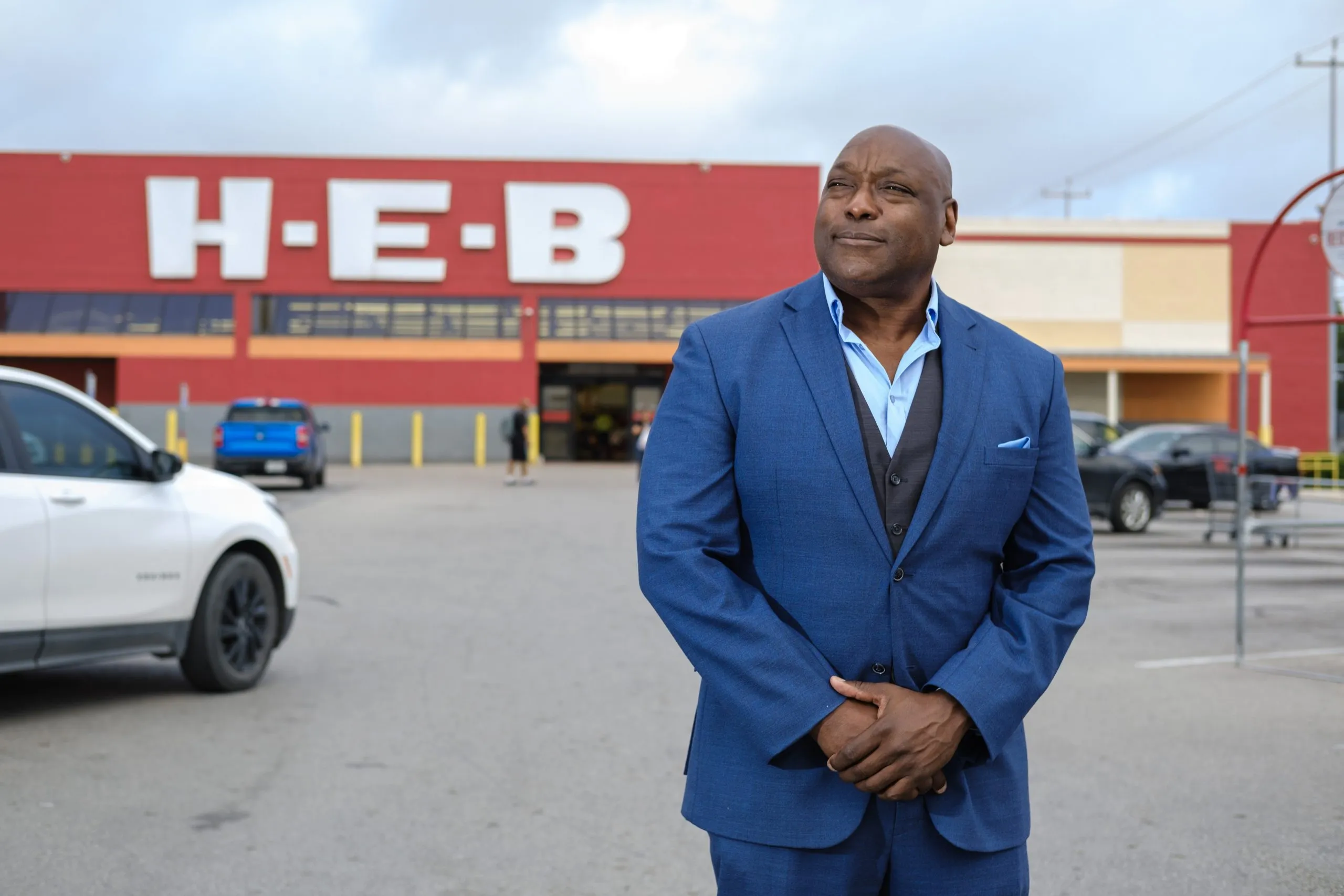
I left Harlandale as a teenager. Yale, Columbia, Harvard, military service, and a legal career carried me far from San Antonio’s South Side. Yet, eventually I came back.
My house stands only a short distance from the neighborhood that shaped me. While Wolfe was right that neither the place nor the person remains unchanged, he was wrong about one thing.
I did go home again.
And I am glad I did.
Harlandale occupies a curious place in San Antonio’s imagination. It is not Alamo Heights. It is not Stone Oak. For generations, the South Side has often been viewed as the city’s overlooked stepchild — a place people left behind rather than a place they aspired to reach.
But that is not the Harlandale I know.
The Harlandale I know is measured less by reputation and instead by memory, community, and the people who continue to call it home.
Some of my earliest memories are tied to places that no longer exist.
Every Sunday morning, my father and I would load baskets of clothes into the car and drive to a laundromat on Pleasanton Road. We spent hours there while washing machines churned and dryers rattled. At the time, it seemed ordinary. Looking back, I recognize those mornings for what they were: precious hours beside my father, learning lessons about responsibility, work, and family.
Wilson’s Book Store is gone now too.
To most people, it was simply a small second-hand bookstore. To me, it was a place of endless possibility. During long summer afternoons, my sister Catherine and I would walk there filled with anticipation, wondering what treasures we might discover. Mr. Wilson arranged his books neatly across tables that filled the store. I cannot remember a visit when he was not there. There were no elaborate displays, no movie tie-ins, and no marketing campaigns. There were simply books waiting to be explored.
It was there that I first met Spider-Man, The Avengers, the X-Men, and other heroes long before they became billion-dollar film franchises. These were not the polished superheroes of today’s Marvel universe. They were flawed, human characters whose struggles often seemed as important as their victories. For a boy growing up on the South Side, those stories suggested that larger worlds existed beyond the boundaries of my neighborhood.
Dairy Queen at Cliff and Flores is gone. So is the Sears store on Military Drive. My childhood landscape survives mostly in fragments.
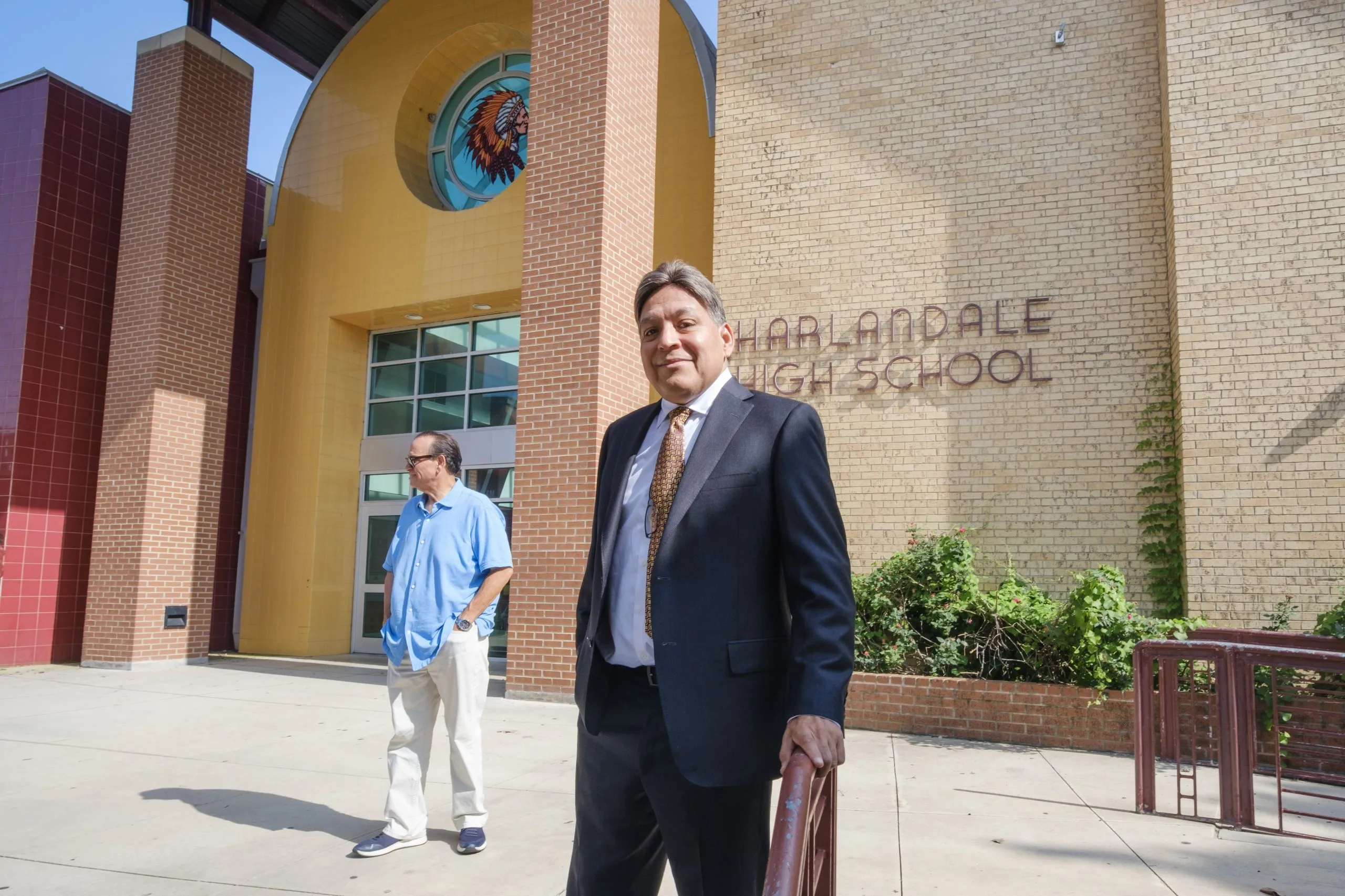
The Harlandale I returned to is alive with new stories. Young families occupy houses once owned by their grandparents. Children still ride bicycles down streets lined with mature pecan trees. Students still fill the halls of Harlandale High School. Friday night football still brings people together. The neighborhood continues to change while remaining unmistakably South Side.
What keeps me here is not nostalgia.
It is community.
I live where I know my neighbors by name. If I am running late, someone will make sure my dogs are fed. At Christmas, meals are shared. Many childhood friends still live within walking distance. We have grown older together, raised families, built careers, and watched the neighborhood change around us.
That sense of connection has become increasingly rare. Harlandale still offers something that cannot be measured in property values or census statistics. It offers familiarity. It offers continuity. It offers the comfort of being known.
My family’s roots run deep here. These streets formed the backdrop of birthdays, graduations, Boy Scout meetings, school functions, and countless family celebrations. Like many South Side families, ours measured time not by decades but by generations.
Most important, the schools remain.
Harlandale High School still stands at the heart of the community. For many residents, graduation does not end their connection to the school. One phrase has endured across generations: “Once an Indian, Always an Indian.” It appears at reunions, alumni gatherings, and among former classmates. It reflects something deeper than school spirit. It expresses a lifelong attachment to a place and to the people who shared it.
Years later, I found myself researching San Antonio’s public schools. The more I searched through yearbooks, photographs, and archives, the more I realized I was exploring questions rooted in my own neighborhood. The schools I studied were places where families like mine invested their hopes and ambitions.
People often assume that Yale, Columbia, and Harvard shaped who I am.
They certainly changed my life.
But Harlandale shaped me first.
The values that carried me there — discipline, perseverance, curiosity, and faith in education — were learned here long before I ever stepped onto an Ivy League campus.
The community has changed and will continue to change. There will come a day when the streets no longer feel entirely familiar, when new generations occupy the homes and landmarks that anchored my childhood. That is the natural course of cities.
Yet, I suspect the essence of Harlandale will endure.
It will remain a place where people invest in one another’s lives, where community is built not through grand gestures, but through countless small acts of friendship, generosity, and trust.
Harlandale never became the neighborhood its developers envisioned. It never acquired the prestige of San Antonio’s most celebrated enclaves.
But prestige and belonging are not the same thing.
For all the places my education and career allowed me to see, the streets of Harlandale remain the place that first taught me who I was. They taught me the value of education, the importance of community, and the quiet strength that comes from knowing where you belong.
Thomas Wolfe said you can’t go home again.
Perhaps he was right about the past.
The laundromat, Wilson’s Book Store, Dairy Queen, and Sears survive only in memory.
But he was wrong about home.
Home is not a building or a business. Home is a community.
And in Harlandale, where neighbors still look after one another and where the bonds forged in childhood often endure for a lifetime, I found mine waiting for me.
Read more Texas Supreme Court rejects lawsuit by survivors of Uvalde school shooting